Uncategorized

Elmo sets 157 km/h remote driving record at F1 Circuit Barcelona with street-legal Nissan Leaf over live commercial mobile network 

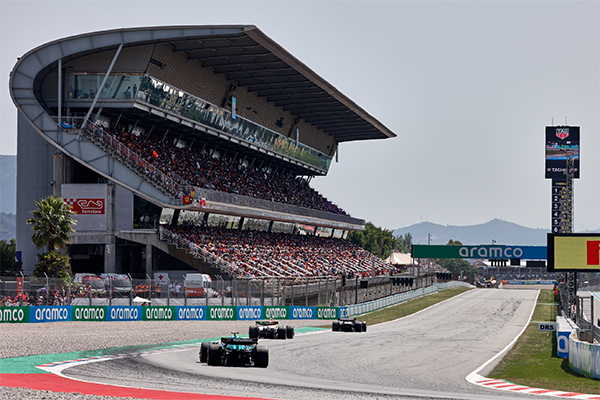
Barcelona / Tallinn – March 2026 – As a part of the CircuitX showcase held alongside MWC26 Barcelona (2–5 March), European mobility technology company Elmo set a new global remote driving speed record , reaching 157 km/h with a street-legal Nissan Leaf at the iconic F1 Circuit de Barcelona-Catalunya

The previous record of 115 km/h has now been significantly surpassed — twice — confirming that high-speed, road-legal remote driving is  already in active public operation. 

First run: 150 km/h – remote driver trackside 

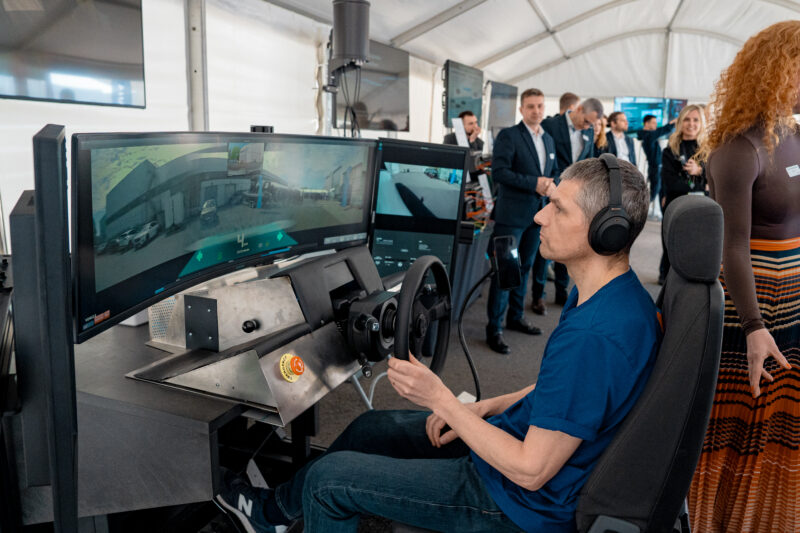
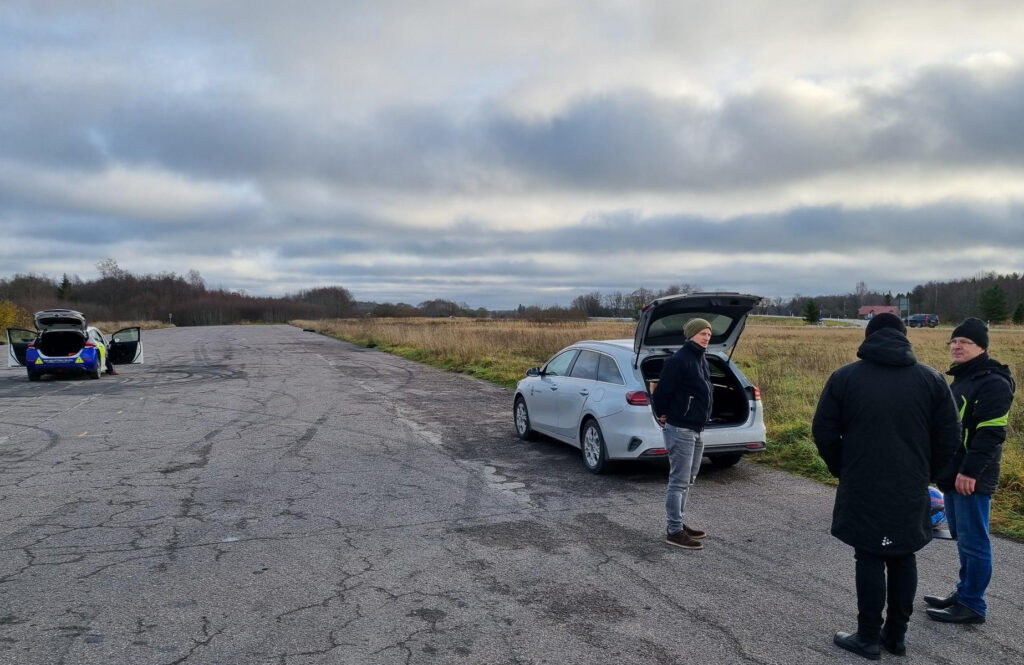
The first record-breaking run reached 150 km/h and was performed by licensed remote driver Risto Parri, who controlled the vehicle from a Generation 1 remote driving station located trackside at Circuit de Barcelona-Catalunya. 

“It’s actually pretty crazy to become a new world record holder — even if only for a moment — and to do it on the legendary F1 circuit in Barcelona. Driving 150 km/h with no one sitting in the car proudly demonstrates the high level and maturity of our technology,” said Risto Parri, licensed remote driver at Elmo.

Second run: 157 km/h – 3,300 km cross-border remote control 

The record was broken again shortly after, when Enn Laansoo, Jr., licensed remote driver and CEO of Elmo, controlled the same street-legal Nissan Leaf with Generation 3 remote driving station from Elmo’s headquarters in Tallinn, 3,300 km away, reaching 157 km/h — effectively the maximum speed officially permitted for the vehicle. 

This high-speed cross-border remote driving test demonstrates that modern commercial mobile networks (5G) are  already capable of supporting globally scalable teleoperation, including high-speed applications. 

“Driving a vehicle at 157 km/h from 3,300 kilometers away proves that distance is no longer the limiting factor for high-speed remote driving. This is further evidence that remote driving is a practical and scalable alternative to full autonomy in many use cases,” said Enn Laansoo, Jr., adding, “I am extremely proud of the team effort and the result of six years of dedicated development of our remote driving technology.” 

Elmo has been operating remotely controlled vehicles in public service since 2022, becoming the first company globally to commercialize road-legal remote driving at scale. The Barcelona milestone builds on years of real-world operational experience. 

5G, network quality & global partners 

The demonstration was conducted in collaboration with Telefónica, providing local connectivity; Nokia, monitoring network performance and quality parameters in real time; and GSMA, organizer of the broader MWC26 ecosystem. 

“Huge congratulations to the Elmo team on their incredible achievement. Breaking a land‑speed record at the CircuitX demo showcase provides a glimpse into the future of connected mobility. What we saw at the Circuit de Barcelona‑Catalunya proves how advanced connectivity, real‑time data and engineering excellence can come together to push the limits of performance and safety. Elmo’s record‑setting run captures the spirit of innovation that CircuitX was built to showcase, and we’re proud to celebrate this moment with them.” — Richard Cockle, Head of GSMA Foundry.

GSMA Fusion and Elmo have also been collaborating closely with the mobile industry through the GSMA Open Gateway initiative to validate network capabilities for remote driving. As part of this work, the companies have been exploring how Open Gateway network APIs – including Quality on Demand, location, and edge compute – can support the consistent, low-latency connectivity required for teleoperation. By enabling common, standardized network interfaces across operators, Open Gateway helps ensure that remote driving solutions can scale globally without bespoke integrations, aligning with broader automotive industry calls for interoperable, future-ready connectivity frameworks.  

This builds upon Elmo’s previous long-distance remote driving milestones, including the 4,300 km cross-border record from Doha to Tallinn during Doha MWC25 and the earlier 3,400 km record from year ago, reinforcing Elmo’s position as a global leader in road-legal remote driving technology. 

A practical alternative to full autonomy 

Unlike fully autonomous vehicles requiring complex AI stacks, high hardware costs and additional remote drivers support, Elmo’s remote driving modular platform enables low latency real-time human-in-control operation, integration into existing vehicles, immediate regulatory compliance, and rapid deployment across urban, logistics, and defense use cases. 

The F1 circuit test confirms that teledriving technology can handle not only urban driving but also high-speed, performance-critical environments, over very long distance. 

About Elmo

Elmo is a European mobility deep-tech company and the world’s first to commercialize road-legal remote driving in public operations. Since 2022, Elmo has operated remotely controlled vehicles on public streets across Europe and demonstrated cross-border teleoperation at distances exceeding 4,300 km. 

Its technology enables safe, scalable remote operation via 4G/5G, satellite, and multi-network architectures — with applications in smart mobility, logistics, and defense.  

About GSMA

The GSMA is a global organization unifying the mobile ecosystem to discover, develop and deliver innovation foundational to positive business environments and societal change. Our vision is to unlock the full power of connectivity so that people, industry, and society thrive. Representing mobile operators and organizations across the mobile ecosystem and adjacent industries, the GSMA delivers for its members across three broad pillars: Connectivity for Good, Industry Services and Solutions, and Outreach. This activity includes advancing policy, tackling today’s biggest societal challenges, underpinning the technology and interoperability that make mobile work, and providing the world’s largest platform to convene the mobile ecosystem at the MWC and M360 series of events. 

More information: 
 
Elmo 
info@elmoremote.com
Elmo to attempt remote driving speed record at Circuit de Barcelona-Catalunya during MWC26

CircuitX showcases partners and technology solutions at the Circuit de Barcelona-Catalunya and MWC26 Barcelona, ranging from real-time race data and live broadcasts to teledriven vehicles, drone-based security and AR/VR fan experiences, supported by Formula E and Porsche safety cars operating on the track.chnology demos headline CircuitX, including in-race data, live broadcast, teledriven cars, drone security and AR/VR fan experiences – with Formula E and Porsche safety cars in action on the track.

27 January 2026, Barcelona: CircuitX is proud to announce an exciting lineup of technology partners for its showcase debut at the iconic Circuit de Barcelona-Catalunya on Sunday, 1 March before taking to the stage at MWC26 Barcelona, 2-5 March. CircuitX is the groundbreaking three-year initiative designed to champion mobile technology across motorsports and transform the circuit experience with connectivity.  

CircuitX will feature leading partners showcasing advanced technology and connectivity solutions, including Al Kamel supported by Semtech & Domo Broadcast Systems, Barcelona Drone Center, Elmo, Ericsson, Formula E, Into Reality, MatSing, NTT Data, Prospeed and Telefónica.

CircuitX was launched last year during MWC25 Barcelona by the GSMA’s innovation hub, GSMA Foundry; Fira Circuit, an entity managed by Fira de Barcelona and the public-private foundation Mobile World Capital that promotes the digital development of society. The initiative aims to turn the Circuit de Barcelona-Catalunya into a centre for innovation and next-generation motorsport experiences.

The showcase demonstrations at Circuit de Barcelona-Catalunya and MWC26 Barcelona will feature participation from leading motor racing teams and technology collaborators to showcase teledriven vehicles, in-race telemetry, live broadcast, drone safety and security measures, as well as immersive augmented reality (AR) and virtual reality (VR) experiences for fans.

To enable all of the demonstrations at both the Circuit de Barcelona-Catalunya and MWC26 Barcelona, Telefónica has joined the initiative as the official connectivity partner, providing 5G network coverage at both locations. The CircuitX partners and demos are:

  • Al Kamel will show how ultra-low latency networks transform race operations, from instant incident detection and dynamic race strategies – providing a glimpse into the future of precision motorsport management supported by Semtech & Domo Broadcast Systems.
  • Barcelona Drone Center will showcase drones for crowd monitoring, emergency response and perimeter security, leveraging advanced Unmanned Aircraft System (UAS) technology and regulatory expertise – critical for modern smart venues.
  • Elmo will demonstrate real-time teledriving of vehicles over public 5G networks, including stable remote operation at higher driving speeds, enabled by network quality APIs that ensure low latency, reliability and service continuity for safety-critical vehicle control.
  • Ericsson brings its private 5G expertise to deliver a secure, high-performance network tailored to the device mobility demands of motorsport environments – essential for telemetry, video streaming and safety-critical systems.
  • Formula E will showcase sustainability-driven racing innovations, integrating connectivity for enhanced telemetry and fan engagement. The Gen3 EVO Formula E race car demonstrates its capabilities on the track, able to accelerate from 0 to 60 mph in just 1.82 seconds.
  • Into Reality will develop interactive AR/VR environments that enable fans to participate in virtual race experiences.
  • MatSing, a pioneer of RF lens antenna technology, will demonstrate its patented solution that is trusted by the world’s largest venues and events to deliver high-capacity, high-performance wireless coverage that enhances fan experiences, supports real-time communications and ensures reliable connectivity across every corner of the venue.
  • NTT Data will show AI enabled applications, including solutions that enhance operations and safety, as well as mobile applications that leverage live data and AI-driven insights to deliver a digital-first fan experience both on-site and off-site.
  • Prospeed will demonstrate video streaming and a marshaling system, including telemetry data transmission, from a Porsche Cup safety car used in the Porsche One-Make Series running at Circuit de Barcelona-Catalunya.
  • Telefónica will provide the 5G connectivity backbone enabling all of the demos to run across the CircuitX and MWC showcase.

CircuitX moves from track to theatre to feature at MWC26 Barcelona (2–5 March) at the CircuitX Demo Zone in Hall 6, where attendees can explore interactive demo pods, live sessions on the New Frontiers stage from our partners and have a look around a Formula E Gen3 Evo, the net-zero carbon electric race car known for extreme efficiency and performance.

John Hoffman, CEO, GSMA Ltd., said: “CircuitX is more than a showcase; it’s a blueprint for the future of connected experiences. By integrating mobile technology into motorsport and entertainment, GSMA and its partners aim to set new standards for safety, efficiency and fan engagement. MWC26 Barcelona provides the perfect stage to demonstrate these groundbreaking innovations, bringing together the global tech community to witness first-hand how interoperability with emerging technologies such as satellite and drones can be realised. This reinforces the pivotal role of mobile connectivity as a catalyst for ongoing innovation.

Francesc Fajula de Quintana, CEO, Mobile World Capital, said: This partnership lets Mobile World Capital do what we do best: mobilise talent and technology for real impact. Through our digital talent programmes we’ll support reskilling and new skills at the circuit, connect CircuitX with Barcelona’s tech ecosystem, and showcase its progress at MWC, 4YFN and Talent Arena – demonstrating how innovation reshapes everyday life.”

Ignasi Armengol, General Manager, Fira Circuit, said:CircuitX is a new example of how Fira Circuit aims to push the boundaries of our racetrack and make it a hub of innovation capable of transforming companies and industries through collaboration with world-class events such as MWC Barcelona. This underlines how the Circuit de Barcelona-Catalunya is a unique space that drives new opportunities that link disruptive technologies to mobility, motorsports and live events.”

CircuitX’s  three-year project will cover five core areas to highlight where mobile connectivity can support innovation across motorsport and large-scale events, including:

  • Travel & Navigation: Real-time journey management and traffic optimisation.
  • Security & Safety: Enhanced emergency communication and crowd monitoring.
  • Fan Movement: Smart venue navigation and crowd flow management.
  • Fan Experience: Personalised content, live data and immersive experiences.
  • Race Telemetry: Secure, efficient data transmission for teams and fans.

Join us at MWC26 Barcelona to experience CircuitX live. For more information and to book a Demo tour, visit https://www.gsma.com/get-involved/gsma-foundry/circuitx/

About GSMA
The GSMA is a global organisation unifying the mobile ecosystem to discover, develop and deliver innovation foundational to positive business environments and societal change. Our vision is to unlock the full power of connectivity so that people, industry, and society thrive. Representing mobile operators and organisations across the mobile ecosystem and adjacent industries, the GSMA delivers for its members across three broad pillars: Connectivity for Good, Industry Services and Solutions, and Outreach. This activity includes advancing policy, tackling today’s biggest societal challenges, underpinning the technology and interoperability that make mobile work, and providing the world’s largest platform to convene the mobile ecosystem at the MWC and M360 series of events.

We invite you to find out more at gsma.com

About Mobile World Capital
Mobile World Capital Barcelona is a public-private foundation that promotes the digital development of society to build a more inclusive, equitable and sustainable future through the humanistic use of technology. MWCapital contributes to positioning Barcelona as a global benchmark in the digital field and to consolidating MWC’s legacy throughout the year, promoting initiatives in the field of technology transfer, the promotion of digital talent, the development of innovative technological projects with social impact and the generation of knowledge. MWCapital hosts MWC in Barcelona, is the founder of 4YFN and connects citizens with the latest digital trends through key events.

About Circuit de Barcelona-Catalunya
The Circuit de Barcelona-Catalunya is recognised as one of the world’s leading permanent circuits, offering high-level infrastructure and exceptional versatility for hosting major international events. With more than 30 years of history, it has become a global benchmark in motorsport, staging Formula 1 and MotoGP Grands Prix, while also providing over 50,000 m² of adaptable space for trade fairs, congresses, cultural and musical events, leisure activities, and sustainable mobility initiatives. Managed by Fira de Barcelona since 2025 through the Fira Circuit entity, the venue is being transformed into a hub for innovation, advanced connectivity, and next-generation motorsport experiences.

Media Contacts

GSMA Press Office
pressoffice@gsma.com

Circuit de Barcelona-Catalunya
Montse Sogues
msogues@circuitcat.com

Mobile World Capital
pr@mobileworldcapital.com 

Elmo sets new teledriving record at MWC25 Doha: 4,300 km cross border remote driving from Doha to snowy streets of Tallinn

Doha / Tallinn – November 26, 2025 — Estonian deep-tech company Elmo, the world’s first to commercialize road-legal teledriving, has once again pushed the boundaries of remote driving by setting a new cross-border teledriving distance record of 4,300 km. During MWC25 Doha, an Elmo remote operator successfully drove a vehicle through snowy public streets in Tallinn, Estonia — live, in real-time, low latency and with no one behind the wheel.

This achievement was made possible in collaboration with GSMA Fusion, Ericsson, Nokia and Ooredoo Qatar, the region’s leading telecommunications provider, and witnessed by dignitaries and government representatives. The remote-controlled vehicle, a street-legal electric Nissan Leaf, demonstrating secure, low-latency remote control across continents. Guests, at MWC were also invited to teledrive a second vehicle — a Toyota Hilux 4×4 located in the Qatari desert — showcasing the same breakthrough capabilities.

In total, MWC visitors experienced Elmo’s remote driving technology in two live setups:

  • A Toyota Hilux in the Qatari desert, powered by Ooredoo’s 5G SA network via Nokias 5G router
  • A Nissan Leaf navigating real traffic on public roads in Tallinn, remotely driven from the event floor in Doha

“Our technology proves that safely operating vehicles across thousands of kilometers in real-world conditions is not only possible — it’s scalable and ready for global deployment,” said Enn Laansoo, Jr., CEO of Elmo. “We’re proud to showcase one of the most exciting innovations in the transportation sector, developed in Europe, together with global partners like GSMA, Ooredoo Qatar, and Nokia.”

Alex Sinclair, Chief Technology Officer, GSMA, added: “This experience showcased GSMA Fusion’s role in bringing together innovators, operators and technology providers to demonstrate what next-generation mobility can deliver. We’re really grateful and pleased to have Elmo join us on the GSMA Pavillion at MWC Doha – and even more so for their ongoing partnership, alongside Ooredoo Qatar and Nokia.”

With this latest milestone, Elmo solidifies its position as a global pioneer in remote driving. Its road-legal teledriving platform is already in active use across the EU and under evaluation for applications in logistics, defense, and smart mobility.

GSMA Fusion and Elmo have also been working together with the mobile industry to test quality of demand APIs to support remote driving, as part of the GSMA Open Gateway initiative. Open Gateway provides common APIs across mobile networks, allowing automakers to access capabilities such as quality on demand, location, and edge compute in a standardised way. Many global car manufacturers have actively called for such frameworks to support global scalability and avoid vendor lock-in.

About GSMA

The GSMA is a global organisation unifying the mobile ecosystem to discover, develop and deliver innovation foundational to positive business environments and societal change. Our vision is to unlock the full power of connectivity so that people, industry, and society thrive. Representing mobile operators and organisations across the mobile ecosystem and adjacent industries, the GSMA delivers for its members across three broad pillars: Connectivity for Good, Industry Services and Solutions, and Outreach. This activity includes advancing policy, tackling today’s biggest societal challenges, underpinning the technology and interoperability that make mobile work, and providing the world’s largest platform to convene the mobile ecosystem at the MWC and M360 series of events.

About Elmo

Elmo is a European mobility tech innovator and the first company in the world to deploy road-legal teledriving in public car-sharing and remotely controlled taxi services.

Since 2022, Elmo has operated actively on public streets in Estonia and Finland, and has conducted public road demonstrations across the EU, North America, and the Middle East. The company enables safe remote operation of vehicles via 4G/5G, satellite, and radiolink connections — with proven applications in urban mobility, logistics, and defense.

We invite you to find out more at gsma.com

Media Contacts

GSMA Press Office 
pressoffice@gsma.com

Estonia’s drone industry has missed the opportunities in the air – but not on the ground

The Estonian defence company Telearmy, which develops technology that can turn any vehicle into a remotely operated one, has solved one of the burning questions of modern drone warfare: how to organize risk-free logistics in the front line’s “death zone.”

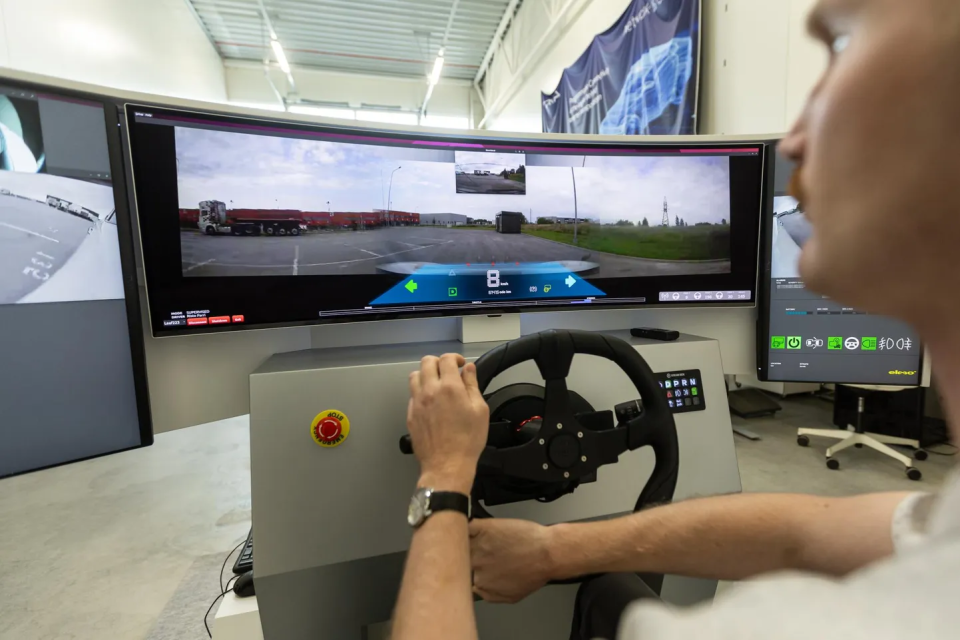
This writer remotely drove an electric car between warehouse buildings in Jüri. In a war situation, a driver no longer has to risk their life entering the death zone – instead, they can deliver supplies and evacuate the wounded from a safe distance behind the frontline. The live video feed delay of the technology is only 200 milliseconds. Photo: Martin Pedaja

Now, the company – selected among the top 15 of NATO’s DIANA innovation accelerator – is aiming for mass production.

Because of aerial drones, today’s frontline “death zone” stretches at least ten kilometres, sometimes already 15–20 kilometres. This area is gradually expanding – next year it will most likely be 30–40 kilometres. The “death zone” means that anything moving can be hit by a drone strike. Transport of all kinds and the people operating machines are most at risk.

Yet supplies, ammunition, food, and water must be delivered to the frontline, and the wounded must be transported. This is where ground drones come into play. Perhaps the best-known Estonian company producing unmanned ground vehicles is Milrem Robotics, which builds unmanned tracked platforms.

Driving from 3,000 kilometres away

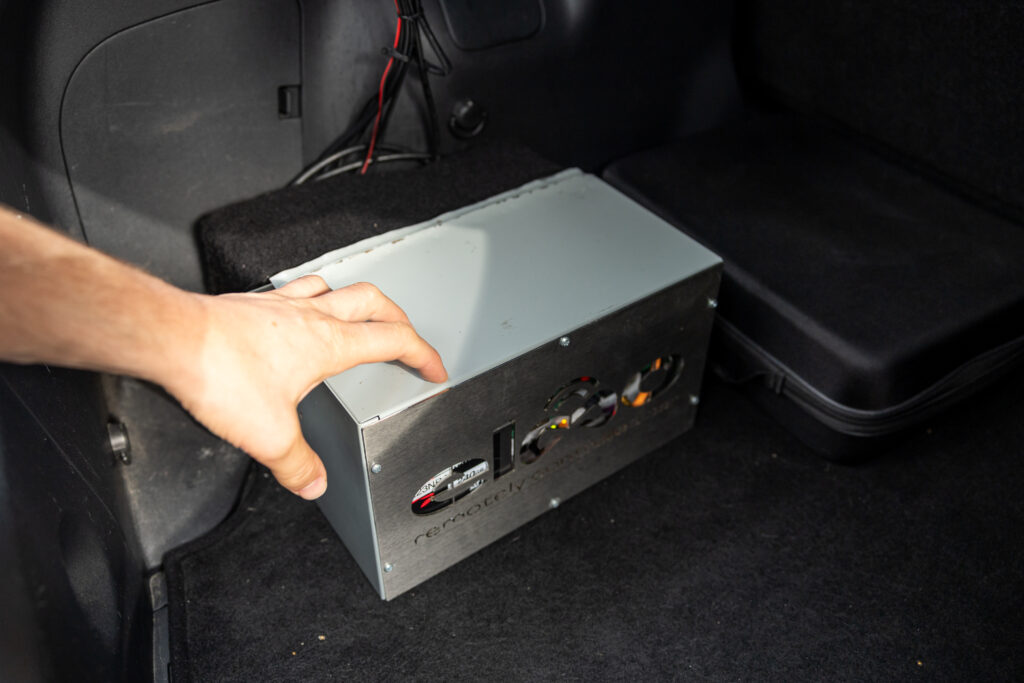
But since spring 2022, Telearmy has also been active in the defence sector, developing a technological solution that makes it possible to turn any vehicle into a remotely driven one. You rebuild the car, install what they call the “brain,” and then any vehicle can be controlled from as far as 3,400 kilometres away, either via satellite or radio link. The connection is difficult to jam if multiple channels are available.

A driver no longer needs to risk their life in the death zone but can supply the frontline and evacuate the wounded from a safe distance. The live video delay of the technology is only 200 milliseconds. The only difference is that the driver does not feel the motion, which means Telearmy’s technology requires practice. A remote driver should spend at least 16 hours in a simulator to learn proper control.

The technology has been in use on the Ukrainian frontline since the start of the war. “Today we are validated by Ukraine’s Ministry of Defence, among other authorities, and we work daily on different platforms – that is, vehicles and ground drones,” said Telearmy CEO Enn Laansoo Jr., noting that converting an existing vehicle into a remotely operated one is several times cheaper than building a ground drone from scratch.

According to him, converting a vehicle takes about four days. “Two days is where we need to get, but it really depends on the vehicle and our production line,” said Laansoo Jr. If drivers or medics do not need to risk their lives at the frontline, then more expensive vehicles don’t need to be converted for transport – although even armoured vehicles can be made remotely operable.

A small box in the car’s trunk, which can be called the brain. With this brain, a driver can take control of the vehicle and operate it from thousands of kilometres away. Photo: Martin Pedaja

Laansoo Jr. even claims that infantry soldiers shouldn’t be sent to the frontline to die. Robots can fight robots too, since remotely operated vehicles can be equipped with remotely controlled weapon systems. “We don’t need to send a soldier to carry out an elementary ground capture – you can do it by remote control,” said Laansoo Jr.

03.09.2025 Tallinn. Telearmy presents new technology that allows almost any vehicle to be turned into a drone. Photo: Martin Pedaja / Postimees

A possible new Nokia for the defence industry

Telearmy, chosen among the top 15 companies in NATO’s DIANA defence innovation accelerator, is now aiming for a scale-up. For this, the company received €300,000.

“Smaller ambitions [than mass production] make no sense. Our activities are supported by the fact that remote operation has become one of the hottest technologies in the entire transport sector. The military sector has caught up too – remotely controlled ground vehicles have become a priority. In Ukraine this is a very hot topic at every level,” explained Laansoo Jr.

According to him, the company is already close to signing a major contract and entering the serial production phase, where one remotely operated vehicle could be produced in hundreds of units. “In the military sector, production volumes will likely stay around hundreds, but in the mobility sector, one client alone could take 1,000 vehicles – even 2,000 – where the technology is somewhat simpler,” Laansoo Jr. said.

Could Estonia’s Defence Forces have a demand for such technology? Yes and no. Although defence budgets are growing, the current priority is to achieve basic aerial drone capabilities within four years.

“Today, inevitably, aerial drones are the focus we must develop. That is understandable. Whether and when remotely operated vehicles will become an elementary part of the defence forces will inevitably take more time,” Laansoo Jr. assessed.

As Postimees has previously written, interesting things are being developed in Estonia’s drone industry – but a scale-up has not yet happened. In 2022, when Russia launched its full-scale invasion of Ukraine, Estonia had two drone companies: Threod Systems and Krattworks. Today there are still two drone companies: Threod Systems and Krattworks.

“In Estonia, it’s too late for the aerial drone industry,” said Laansoo Jr. “The hourly wage here is higher than in neighbouring countries. Our supporting industry is not favourable either, and we have to start building it up, while elsewhere mass production is already underway.” A ceasefire in Ukraine would bring even more competition to the European market.

“What is Estonia’s opportunity? Ground drones are the next hot topic. They haven’t reached mass adoption yet, and here Estonia already has clear advantages. Milrem is a very good example – they sell their product worldwide,” said Laansoo Jr., adding that Estonia could become a leading country in the production of ground drones.

Full article available here.

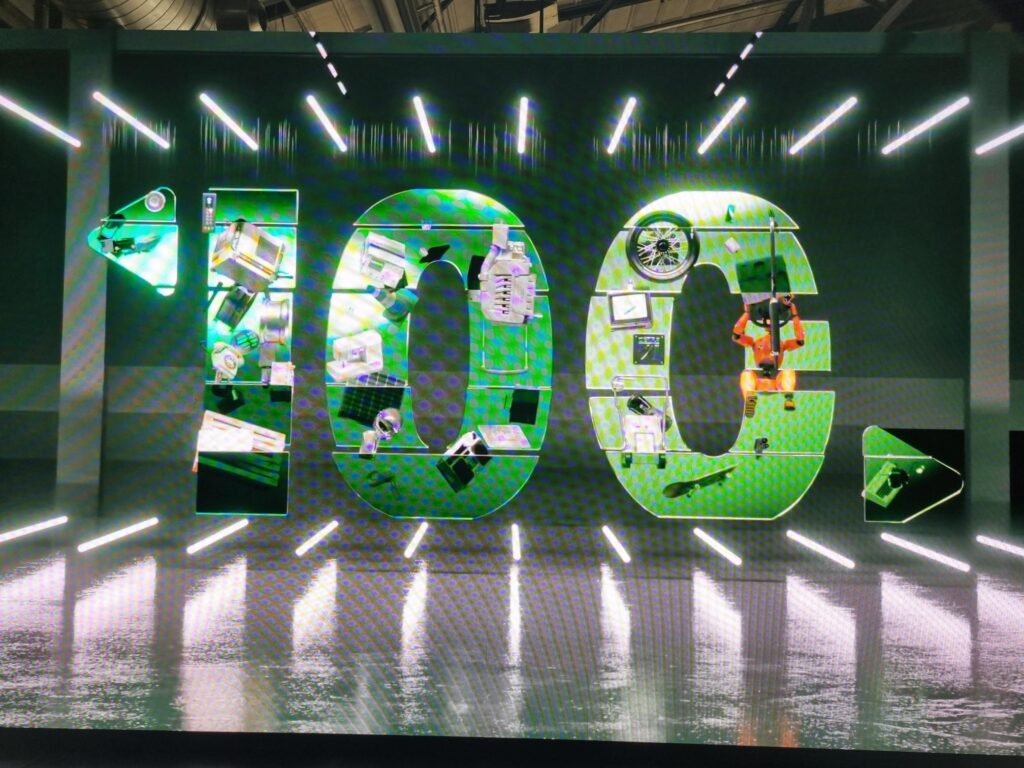
Elmo showcases remote driving technology at DEKRA’s 100th anniversary

Elmo is proud to take part in DEKRA’s 100th anniversary, celebrating 100 years of global leadership in safety, certification, and mobility innovation. Founded in 1925 in Berlin, DEKRA has grown into one of the world’s largest independent testing and certification organizations, ensuring trust, safety, and compliance in more than 60 countries.

At Elmo, our mission is to transform the future of transport with cutting-edge remote driving technology. In 2022, Elmo became the first company in the world to operate road-legal remotely controlled cars on public streets. Today, our teledriving solutions are a proven alternative to autonomous vehicles — offering safe, scalable, and cost-efficient mobility for car-sharing services, taxi fleets, defense logistics, and smart city transport systems.

Partnering with organizations like DEKRA strengthens our ability to:

  • Guarantee safety and compliance through globally trusted certification standards
  • Validate remote driving systems for both civil and defense applications
  • Accelerate adoption of road-legal innovation in Germany, Europe, and worldwide
  • Support the transition towards autonomous mobility and sustainable, smart transport

“The 100th anniversary of DEKRA is a strong reminder that trust and safety must go hand in hand with innovation. Together, Elmo and DEKRA are shaping the next era of mobility,” said Enn Laansoo Jr., CEO of Elmo.

By aligning Elmo’s remote driving expertise with highest safety standards, we are not only making mobility more efficient and sustainable but also building the foundation for the next generation of driverless transport.

Congratulations to DEKRA on 100 years of innovation, and thank you for inspiring us to continue pioneering remote driving and smart mobility solutions across the globe. 🚗🌍

Elmo’s driverless taxi service expands to Germany’s innovative City of Heidelberg

The City of Heidelberg has selected Elmo’s remotely controlled taxi service as one of its Top Innovations, with operations scheduled to launch on public streets in 2025. This decision follows the introduction of Germany’s new Straßenverkehr-Fernlenk-Verordnung (remote driving regulation) in June 2025 — a major milestone for Tallinn-based Elmo, Germany, and the entire teledriving technology sector.

Elmo made history in 2022 as the first company in the world to launch a public, road-legal doorstep car sharing service operated entirely via remote control. In June 2025, Elmo achieved another global first by introducing a teledrivable taxi service in partnership with German taxi platform Bliq. The upcoming launch in Heidelberg marks a significant leap forward, with the city’s endorsement validating both the potential of remote driving technology and the maturity of Elmo’s solutions.

The selection was made in close cooperation with the City of Tallinn and Tehnopol Science and Business Park, under the Tallinnovation program.

“Tallinnovation has become an important platform for Tallinn, where smart, city-developing solutions are born. This year’s cooperation with Heidelberg takes its impact to a new level – it shows that our entrepreneurs’ ideas are internationally competitive and worthy of export to other cities. International partnerships strengthen Tallinn’s reputation as an innovative and open city, and offer our companies a valuable springboard to new markets,” said Margot Roose, Tallinn’s Deputy Mayor.

“Adapting the ‘Test in Heidelberg’ programme through cooperation between Heidelberg and Tallinn creates a unique opportunity to connect two vibrant innovation ecosystems. By testing Estonian startups’ solutions in Heidelberg, we can bring fresh ideas to our city, explore their potential in real-life environments, and strengthen the bridge between our business communities. We see tremendous potential in this – not only for the participating entrepreneurs but also for our cities, which can learn from each other and shape the future together,” added Mareike Rimmler, Project Manager of Heidelberg’s innovation team.

About Heidelberg

With a population of around 160,000, Heidelberg is renowned for its historic old town, castle, and prestigious research university. It is a leading science and industry hub in Germany, offering a strong economic base and a vibrant innovation ecosystem.

About Elmo

Elmo is a global pioneer in road-legal remote driving technology, technology operating in Estonia, Finland, Lithuania, Canada, Ukraine and soon in Germany. Its technology allows vehicles to be teledriven without a driver physically present in the car, enabling sustainable, flexible, and efficient mobility solutions.

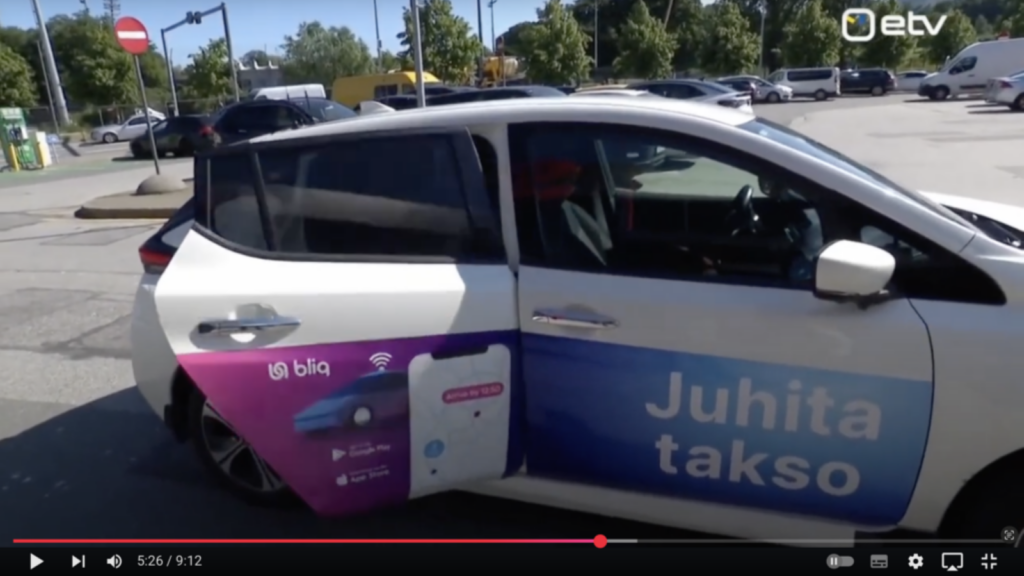
Due to high demand for Bliq’s teledrivable taxi — here’s the video of the service in action!

We’ve invited Estonia’s National TV show Ringvaade for a special live experience with Elmo’s remotely controlled technology!

Want to try it yourself, Just download Bliq’s app and see if you’re lucky enough to hop into the backseat of a silent, driverless taxi ride

🎯 No driver. No noise. Just innovation in motion.

See the full live experience by Ringvaade here https://www.youtube.com/watch?v=qeFZy_hG3lM

World’s first public remote-driven taxi service launches in Tallinn 

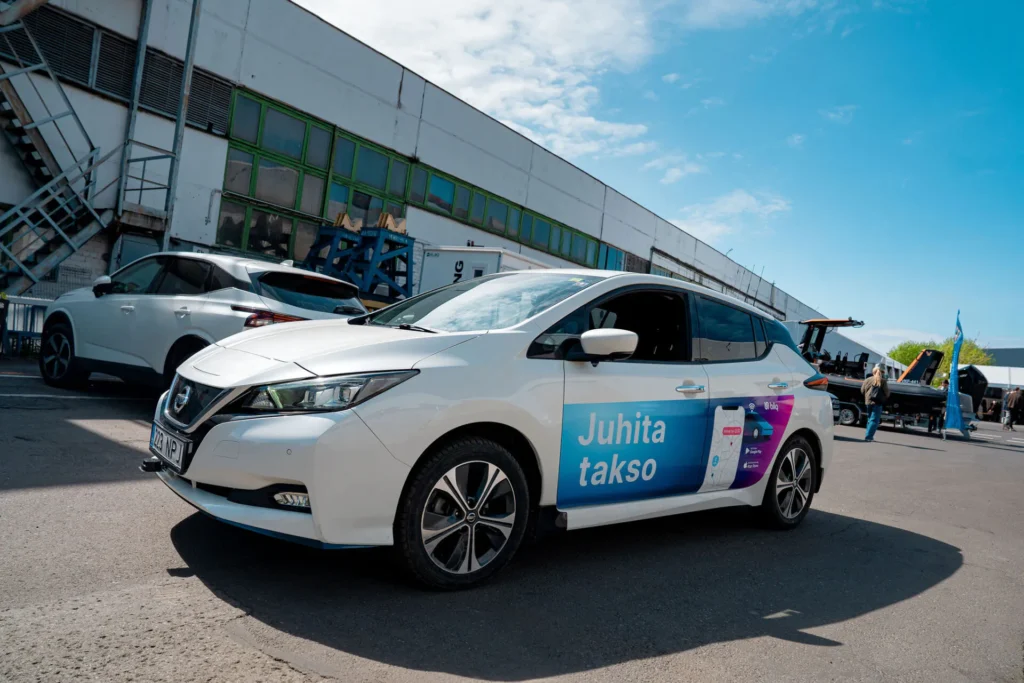
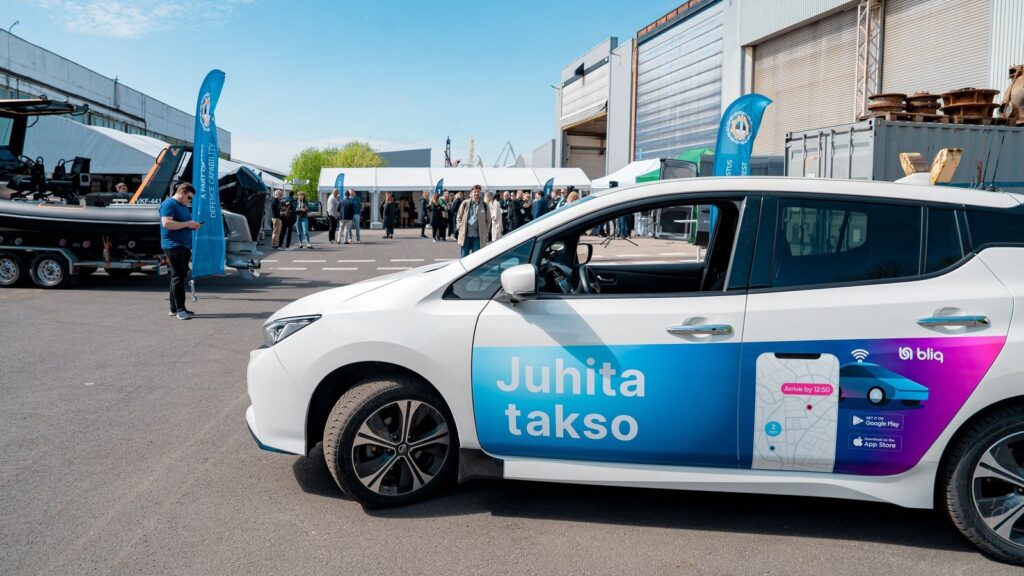
Estonian deep-tech company Elmo and fast-scaling German ride-hailing platform Bliq have launched the world’s first road-legal remotely operated taxi service on public roads. The service, live in Tallinn, is based on Elmo’s road-approved teledriving technology and licensed remote operators, offering residents and visitors a safe, innovative, and sustainable new mode of transportation. 

A game-changing alternative to autonomous taxis 

Remotely driven taxis are up to 5x more cost-efficient and significantly more mature from a technology readiness standpoint compared to fully autonomous taxis. Unlike robotaxis that rely on expensive sensor stacks and complex regulatory approval processes, Elmo’s teledriving system can be deployed quickly and flexibly in real-world urban environments. Additionally, teledriving keeps human drivers employed, while enabling them to work remotely, making operations safer and more cost-efficient for fleet operators. 

“As a rapidly growing ride-hailing platform, we’ve chosen to execute our global strategy with remote driving technology – a solution that’s now stepping into the space previously dominated by autonomous systems,” said Julian Glaab, CEO and co-founder of Bliq

“When Elmo picked us up at the airport using a remotely operated car with no one inside, we immediately knew we had found both a trusted tech partner and an inspiring team we want to build with for the long term” added Glaab. 

Bliq is a German ride-hailing platform that aggregates multiple mobility services like Bolt, Uber, and its own fleet into one seamless app. For users, it means faster access, more options, and better convenience, all in one place. 

“Self-driving cars are future. That future is already here in Tallinn, and true to Estonian spirit, it’s arriving through smart remote-driving technology,” commented Tallinn’s Deputy Mayor Pärtel-Peeter Pere. “In cities, most people don’t need to own a car that sits idle 90% of the time. What matters more than ownership is having access to a car when and where you need it—and we aim to lead the way in making that a reality,” Pere added. 

“The launch of our remote taxi service marks a critical milestone for Elmo,” said Enn Laansoo, Jr., co-founder and CEO of Elmo. “This proves that we’ve stayed focused on our deep-tech vision, developed consistently, and never gave up – even when the road got tough. Today, our technology is not just ready; it’s running already in three sectors globally. And this is only the beginning.” 

Powered by the Tehnopol Innovation Community 

The first 100 remote taxi rides are exclusively offered to employees of companies located in the Tehnopol campus, including Microsoft, Cybernetica, Starship Technologies, and others. Using the bliq.ai mobile app, riders can request a remotely driven taxi to any point in the city. 

New market expansion underway 

Following a two-month period, Elmo and Bliq will evaluate performance data to confirm their expansion into the new markets. Preparations are already underway, including vehicle selection and regulatory approvals to enable Elmo’s road legal teledriving technology integration into compatible platforms. 

Elmo’s proven track record in teledriving technology 

Elmo began commercial operations with road-legal teledrivable rental cars in 2022, delivering electric vehicles directly to customers’ doorsteps in Estonia and Finland. Since then, the company has expanded across three sectors and reached a new milestone with the launch of its remotely controlled taxi service — a testament to Elmo’s technological maturity, visionary leadership, and persistent innovation. 

About Bliq 

Bliq is a German mobility platform that unifies multiple ride-hailing services and its own fleet into one app, offering drivers and passengers faster access to smarter urban transport. With global expansion plans, Bliq is setting a new standard in digital ride-hailing convenience. Learn more at https://bliq.ai  

About Elmo 

Elmo is the company behind the world’s first road-legal teledriving technology, operational in public car-sharing services since 2022 in Estonia and Finland. Elmo’s technology has been validated by automotive experts and presented on public roads in Germany, France, Switzerland, Austria, Croatia, the Netherlands, Poland, Lithuania, the UAE, Canada, and the U.S., including a record-breaking 3,400 km cross-border teledriving journey

Elmo enables car-sharing companies to deliver vehicles to customers’ doorsteps, improves CAPEX and OPEX efficiency in taxi fleets, and removes drivers from harm’s way in logistics and defense sectors. 


Media Inquiries 

Mathias Rhode 
Communication manager, Bliq
mathias.rhode@bliq.app  

Enn Laansoo, Jr. 
CEO & Co-founder, Elmo 
enn@elmoremote.com 

Elmo pushes teledriving boundaries at Mobile World Congress with a record-breaking 3,400km remote drive

Barcelona, Spain – March 3, 2025 – Elmo, the company behind the world’s first road-legal teledriving technology, is set to make history once again at Mobile World Congress (MWC) Barcelona. Showcasing the future of mobility, Elmo will operate two live teledriving stations, controlling vehicles from unprecedented distances.

For the first time ever, visitors at MWC Barcelona can experience low-latency cross-border teledriving in real time with two stations:

🚗 900km remote drive – a teledrivable vehicle in Málaga, Spain

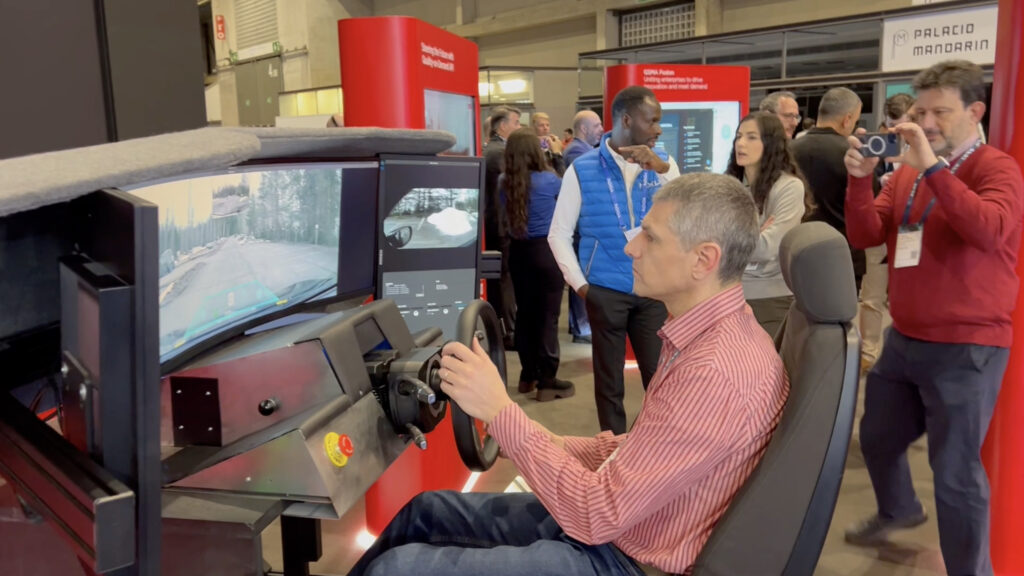
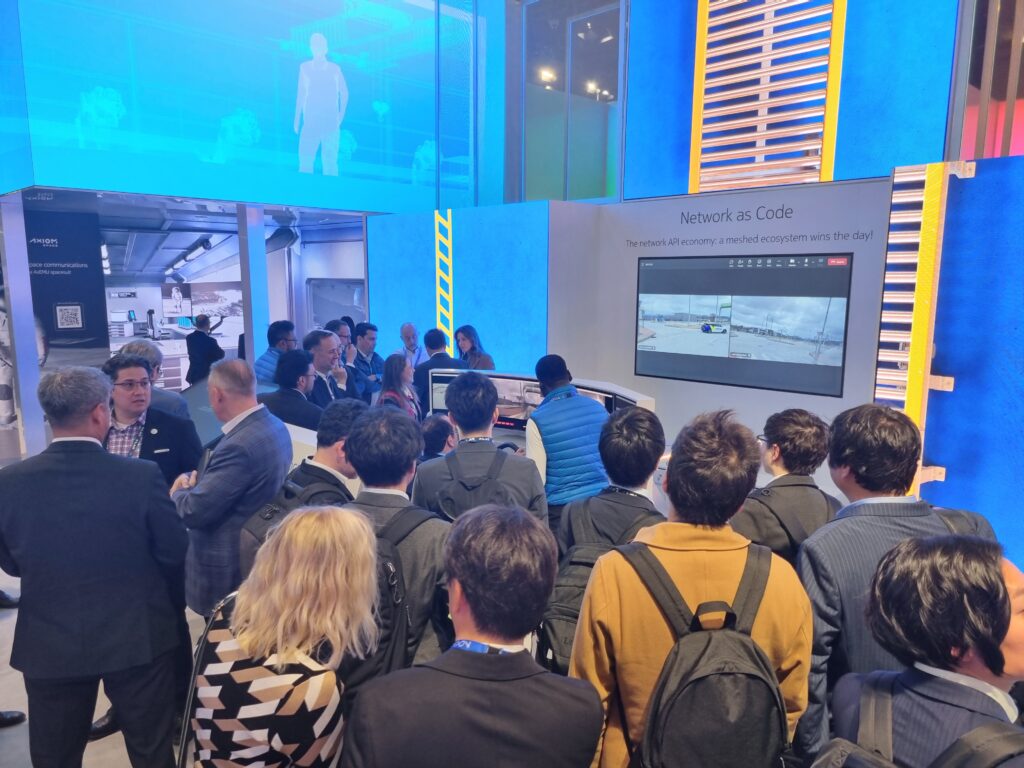
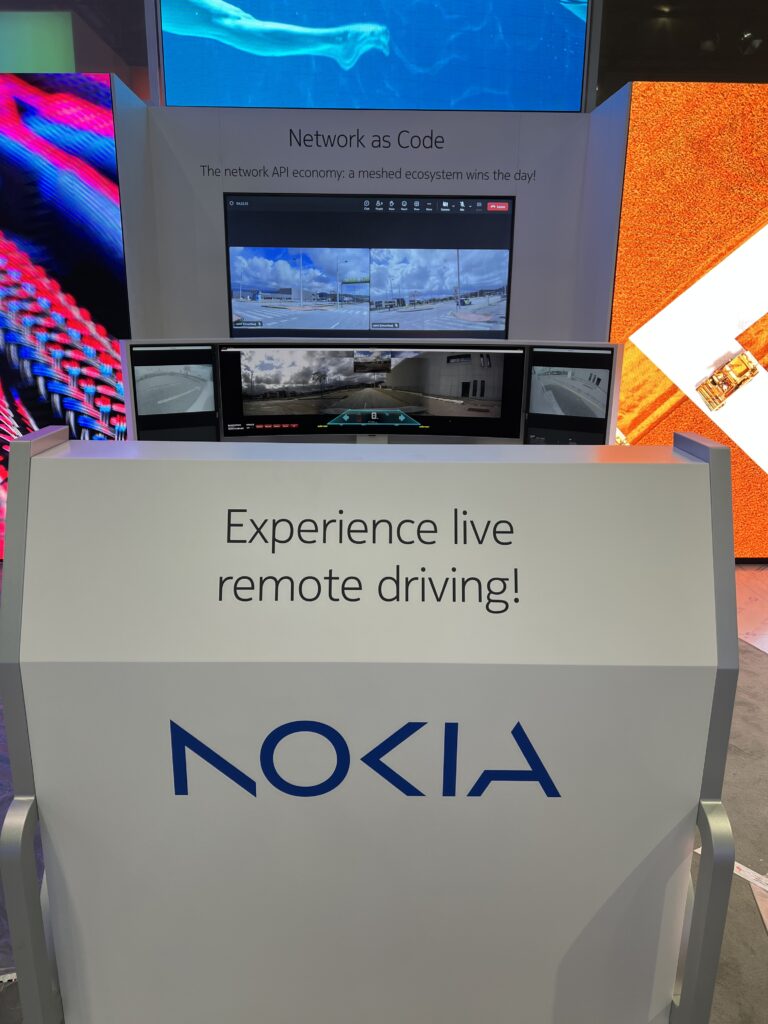
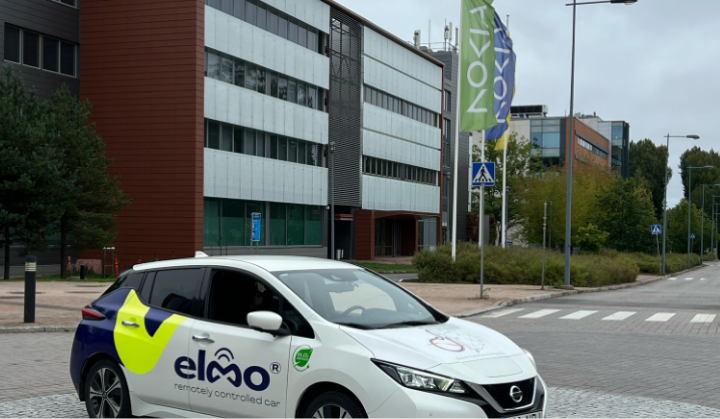
🚗 3,400km record-breaking remote drive – a teledrivable vehicle stationed at Nokia’s global HQ in Helsinki, Finland, operated from GSMA’s booth in Barcelona

This milestone, achieved in collaboration with Nokia and GSMA, highlights Elmo’s leadership in teledriving technology—proving its maturity, scalability, and real-world viability across industries.

“Yet another record-breaking demonstration proves that Elmo’s teledriving technology is not only operational on public roads and in extreme environments but also ready to scale across borders and industries. Together with Nokia and GSMA, we are paving the way for safe, low-latency remote driving across continents,” said Enn Laansoo, Jr., founder & CEO of Elmo.

Elmo’s track record of teledriving innovation

Elmo continues to push the boundaries of remote vehicle operation, setting multiple industry-first records:

✅ 2022 – First-ever road-legal teledrivable cars in commercial car-sharing & public roads (Estonia & Finland)

✅ 2023 – First 600km cross-border teledriving between Vilnius, Lithuania, and the snowy streets of Tallinn, Estonia

✅ 2024 – First fully automated charging station for teledrivable cars, developed with Swedish tech company Elonroad

✅ 2024 – New cross-border record: 2,500km remote drive from Croatia to Finland

✅ 2024 – First teledrivable Ford F550 TMA truck deployed on Canadian highways (Ontario) with Ramudden Global

✅ 2024 – First teledrivable 4×4 military vehicles deployed in real-world operations, chosen by NATO DIANA among 2,600+ companies

✅ 2025 – New 3,400km cross-border teledriving demonstration at MWC Barcelona

At MWC 2025, visitors will have the exclusive opportunity to live teledrive Elmo’s technology firsthand at Nokia’s and GSMA’s booths.

Scaling teledriving to a global standard

Elmo’s participation in MWC Barcelona 2025 is another milestone in making teledriving a global standard. The technology enhances:

✅ Urban mobility – Reinventing car-sharing with on-demand doorstep delivery

✅ Logistics & transportation – Increasing efficiency & safety in fleet management

✅ Highway safety – Reducing driver risks in hazardous work zones

✅ Defense – Removing drivers from high-risk military operations

Meet Elmo at MWC Barcelona 2025

📍 Live Teledriving Demonstrations at GSMA & Nokia booths

🚗 Experience real-time control of vehicles up to 3,400km away

📅 March 3-6, 2025 – Barcelona, Spain

About Elmo

Elmo is the pioneer of road-legal teledriving technology, commercially operational since 2022 in car-sharing and public roads. The company has successfully deployed teledrivable cars across Estonia, Finland, Germany, France, Switzerland, Austria, Croatia, the Netherlands, Poland, Lithuania, Ukraine, Canada, the U.S., and the Middle East.

Elmo invests heavily in cutting-edge teledriving stations, AI-powered remote operations, and advanced safety protocols. The technology not only enhances urban mobility but also revolutionizes logistics, military operations, and transportation safety worldwide.

For more information, visit www.elmoremote.com

For Media Inquiries:

Enn Laansoo Jr.

CEO & co-founder, Elmo

enn@elmoremote.com

🔗 Follow us on LinkedIn: www.linkedin.com/company/elmoremote

#MWC25 #Teledriving #FutureOfMobility #Innovation #Teleoperation #RemoteDriving #Nokia #GSMA #SmartMobility #ConnectedCars

Elmo gains approval for higher-speed driverless teledriving with AI-braking technology

Elmo, the Estonian company behind the world’s first road-legal teledriving technology, has achieved a major milestone in remote technology innovation. The Estonian Traffic Department has officially validated Elmo’s AI-powered autonomous braking system, enabling its teledrive technology to operate without a safety driver at higher speeds and without area restrictions. This advancement in driverless mobility further solidifies Elmo’s leadership in the teledriving sector, offering safe, scalable, and robust communication protocols for technology solutions in urban mobility, road safety, and military applications.

Enn Laansoo, Jr., CEO and co-founder of Elmo, commented, “Our team is very happy with technological and regulatory progress we have made in the past year, which allows us now to focus on delivering our solutions to our clients. Our pipeline of clients includes multiple car-sharing operators, road safety, and military players in the EU, including Germany, with further potential expansion into the Middle East and the U.S. Parallel to sales, we’re also advancing AI and machine learning upgrades to ensure an even safer teledriving experience, focusing on both functional safety and operational safety standards.”

“This milestone underscores Elmo’s technological leadership in remote driving technology and strength of its technical resources, capable of efficiently developing road ready driverless AI powered solutions.” stated Ragnar Meitern, Managing Partner of Highgoal Capital, an early investor in Elmo and other fast growing tech companies in the mobility sector, including Bolt. “Their goal-oriented progress and operational experience position Elmo uniquely for large-scale expansion, making them an even more attractive deep-tech company in the transport sector.”

Since launching the first road-legal teledrive service in public car sharing in Estonia and Finland, Elmo has deployed its technology on public roads in Paris, Amsterdam, Berlin, Munich, Hamburg, Helsinki, Zurich, Krakow, Los Angeles etc and soon on Ontario highways. This extensive deployment makes Elmo the most widely tested and applied teledriving solution on the market, showcasing its commitment to regulatory compliance and safety features. Elmo’s remotely controlled 4×4 vehicles are also in active use on the frontlines in Ukraine, supporting crucial operations in challenging conditions.

Elmo has further demonstrated cross-border teledriving with a record 2,500 km journey between teledriver in Croatia and e-car in Finland using 4G and 5G, in partnership with Nokia and Deutsche Telekom‘s Croatian operator Hravtski Telekom. This achievement highlights the potential of human-machine collaboration in long-distance remote vehicle control and operation.

Jürgo Vahtra, Head of the Estonian Traffic Department, praised Elmo’s systematic approach to safety, stating, “Elmo has balanced technology development with practical experience, making their progress safe and reliable. Their AI-driven SOS braking system, performed flawlessly in our tests, which was instrumental in granting approval for driverless high-speed operations”.

Elmo’s technology provides a practical alternative to fully autonomous vehicles, offering the efficiency of teledriving with lower hardware and deployment costs. Richard Woller, Co-Founder & CEO of technology consulting firm schwarzenberg.tech, commented, “Elmo’s combination of regulatory achievement and real-world deployment across sectors based on a smart technology sets the stage for a next era of adaptable mobility services. We believe that tele-operated driving is key in automated mobility and are impressed by the strong and solution-driven team at Elmo.”

With its ongoing fundraising round, Elmo is actively seeking to expand its capabilities and build on its global footprint. The company is planning to enhance its European operations and is considering a launch to enter to Northern American market, potentially introducing technology licensing to car rental, road safety and military companies. This latest approval not only sets the stage for Elmo’s next phase of growth but also presents a compelling opportunity for investors, clients, and cities interested in cutting-edge teledriving technology for a variety of use cases, including driverless taxis and affordable transportation options.


For more information, please visit www.elmoremote.com.


For media inquiries and further information, please contact:

Enn Laansoo Jr. 

CEO and Founder 

Elmo

Email: enn@elmoremote.com

Ready to see our technology in action?